
What Counts as a Service-Connected Mental Health Condition?
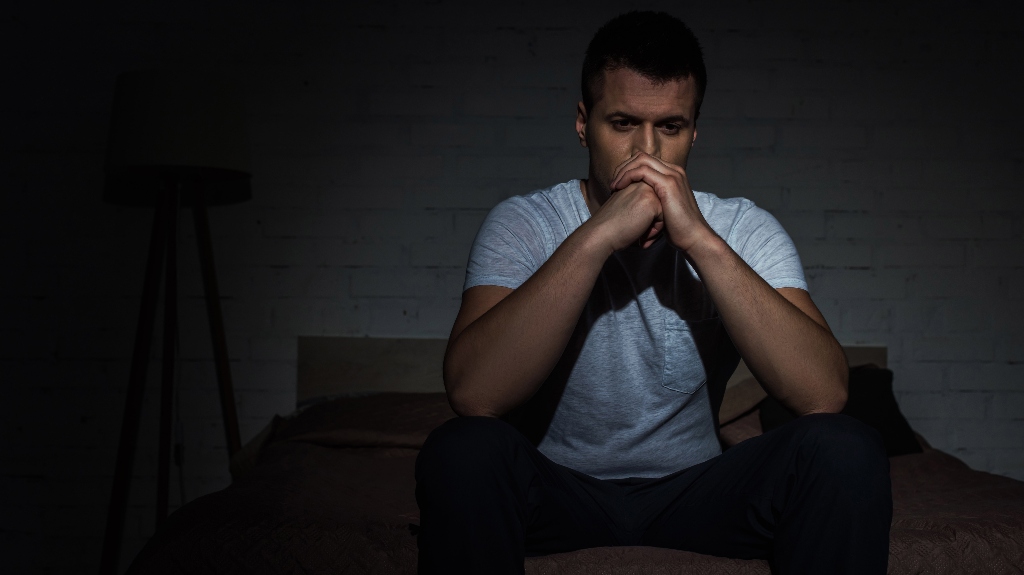
For many veterans, invisible wounds from military service, such as post-traumatic stress disorder (PTSD), depression, and anxiety, can be as disabling as physical injuries. The US Department of Veterans Affairs (VA) recognizes this and provides compensation for mental health conditions deemed “service-connected.” However, it can be challenging to understand exactly what qualifies as a service-connected condition. Understanding the legal and medical criteria is crucial to ensuring that veterans receive the benefits they have earned through their service.
Defining a Service-Connected Mental Health Condition
Under 38 U.S.C. § 1110, veterans may be eligible for compensation for disabilities caused by personal injury or illness that occurred or worsened during active service. For mental health conditions, you must show a direct link between your current condition and an event, injury, or stressful situation that occurred during service.
The VA evaluates mental health claims using the General Rating Formula for Mental Disorders found in 38 C.F.R. § 4.130. In order to qualify, you must meet the following three criteria:
- You must have a current diagnosis of a recognized mental health condition from a qualified medical professional, such as a psychiatrist or licensed psychologist.
- There must be an in-service event, injury, or stressor that caused or exacerbated the condition.
- There must be a medical nexus between the current diagnosis and the in-service event.
Importantly, the VA recognizes a wide range of mental health conditions within its disability framework, including PTSD, major depressive disorder, generalized anxiety disorder and certain sleep and obsessive-compulsive disorders.
Common Service-Connected Mental Health Conditions
Post-Traumatic Stress Disorder (PTSD)
PTSD is one of the most common mental health conditions among veterans. Veterans who have been exposed to combat, military sexual trauma, or other life-threatening events are at risk of developing PTSD. According to 38 C.F.R. § 3.304(f), the VA has specific guidelines for verifying stressors for veterans, especially those who have experienced combat or military sexual trauma. A diagnosis from the VA or a private provider, along with credible evidence of the stressor, can help support a successful claim for benefits.
Depression and Anxiety Disorders
Depression and anxiety can often occur during or after military service due to prolonged stress, trauma, or difficulty reintegrating into civilian life. The VA does not require a specific diagnosis while in service; only that the current condition is related to service. If a veteran develops a major depressive disorder after returning from deployment and a medical professional links the onset of the condition to service-related stressors, it may be considered service-connected.
Sleep and Obsessive-Compulsive Disorders
While less commonly reported, conditions such as insomnia, obstructive sleep apnea (OSA), and obsessive-compulsive disorder (OCD) may also be considered service-connected if there is evidence of onset or worsening during service. For example, if a veteran’s OCD symptoms have worsened due to the stressful environment of military service and a medical professional supports this link, compensation may be appropriate.
Proving Your Claim: The Role of Evidence

The VA requires competent medical evidence to establish a diagnosis and credible lay or medical evidence to connect the condition to service. This can include:
- Service treatment records (STRs)
- Buddy statements or personal statements describing symptoms during or after service
- VA or private medical opinions
- Records of in-service counseling or mental health treatment
Without sufficient evidence, even valid claims may be denied. That’s where legal guidance becomes critical.
You Served—Now Let Your Country Serve You
If you are a veteran suffering from post-traumatic stress disorder (PTSD), depression, anxiety, or other mental health issues, you may qualify for monthly tax-free benefits and access to Veterans Affairs (VA) mental health services as well as other important benefits. Don’t let confusion or fear of bureaucracy stand in your way.
At the Veterans Benefits Law Group, we are dedicated to helping veterans like you in Mississippi obtain the full disability benefits they have earned. If you would like to learn more about how we can help, please contact us today. You can reach us by calling (601) 414-3707 or by visiting our website. We will be happy to discuss your case and fight for the recognition and support that you deserve.
Share This Story
Interested in this topic? Your friends might be too! Consider sharing this story to your social media channels and look like a smart, sophisticated resource of information.