
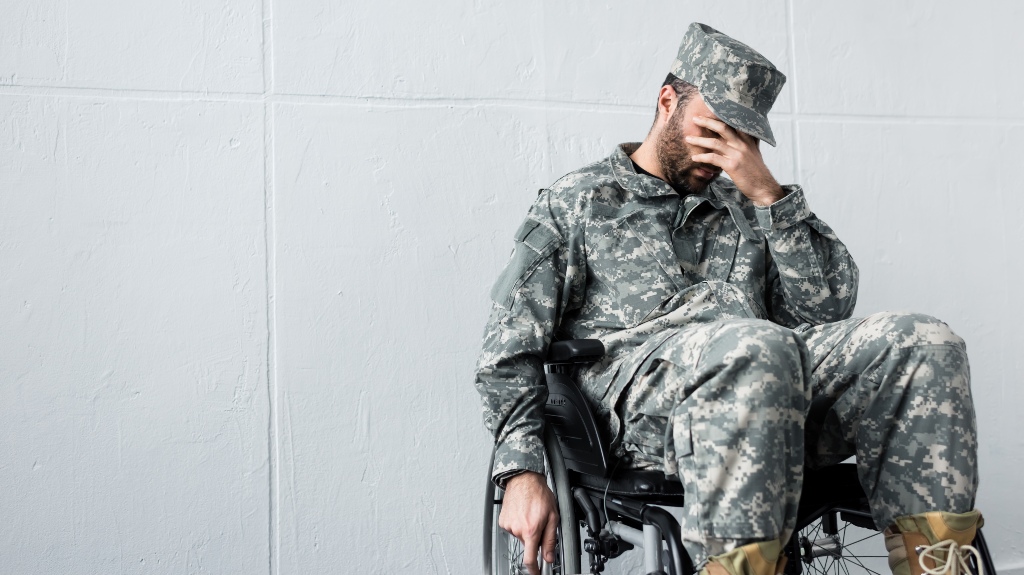
The Link Between Chronic Pain and Depression in VA Disability Claims
Depression that develops because of a service-connected pain condition is compensable in its own right. It does not need to start in service. Under 38 C.F.R. § 3.310, disability approximately due to or resulting from an already service-related condition becomes service-connected too.
Chronic Pain and Depression Are Medically Linked, and the VA Knows It
Persistent pain disrupts sleep. Disrupted sleep degrades mood, concentration, and tolerance for other people. Pain also takes away things that used to hold your life together: work, gym, hunting, sitting through your child’s game without shifting every four minutes.
The clinical relationship runs in both directions. Depression lowers pain tolerance, and worsening pain deepens depression. VA examiners and treating providers are generally familiar with this literature. The problem is rarely the medicine. It is that nobody has put the connection in writing so that a rating specialist can see it.
Pain Itself Can Qualify as a Disability
For nearly twenty years, the VA denied claims where a veteran was hurt, but no imaging or laboratory work explained why. This changed with Saunders v. Wilkie, 886 F.3d 1356 (Fed. Cir. 2018). The Federal Circuit ruled that pain in the absence of a diagnosed condition can cause functional impairment, and functional impairment is what the term “disability” means under 38 U.S.C. § 1110.
Saunders has a limit. Your pain must be equivalent to functional impairment. Just saying it hurts is not enough in itself. Showing that it prevents you from standing for more than a few minutes is.
Building the Secondary Claim
A secondary service connection claim for depression requires three things: a current diagnosis of a mental health condition, an established service-related pain condition, and medical advice linking the two.
That third piece is where the claims die. To strengthen your case, you need:
- A letter from a psychiatrist, psychologist, or your treating provider stating that your depression is likely caused or aggravated by your service-connected pain. This letter is crucial, as it supports the “benefit of the doubt” standard in 38 C.F.R. § 3.102.
- Treatment records that mention both pain and mood, such as notes from your doctor.
- Lay statements from people close to you, like your spouse, who can attest to changes in your behavior or mood.
- It’s important to remember that aggravation also counts, not just causation. Even if you had depression before, if the pain has made it worse, § 3.310(b) could still apply.
How the Rating Works

Depression is rated under the General Rating Formula for Mental Disorders at 38 C.F.R. § 4.130 using Diagnostic Code 9434. The formula is based on occupational and social impairment, rather than on how many symptoms can be listed.
Your pain condition has its own separate rating. This is not double-dipping. 38 C.F.R. § 4.14 prohibits rating the same symptoms twice, but knee and mood disorders are different disabilities with different symptoms.
Talk to Someone Who Handles These Claims
At Veterans Benefits Law Group, PLLC, we salute men and women like you who have dedicated their lives to protecting and serving our country. In return for this sacrifice, our country has a duty to provide and care for you when you need it most. Getting what you are entitled to should not require a fight.
If you are service-connected to a painful condition and are struggling with depression, please contact us to schedule a free consultation. We can review your file and determine if the evidence actually supports your claim. We will also let you know what information is missing from your file that the VA needs in order to approve your application.
Share This Story
Interested in this topic? Your friends might be too! Consider sharing this story to your social media channels and look like a smart, sophisticated resource of information.