Veterans Benefits Law Group – Trusted Mental Health VA Disability Attorneys in Ridgeland, MS
MEntal HEalth Conditions Attorney Ridgeland MS
Helping To Secure VA Disability For Mental Health Conditions
Many veterans bravely served our country, but the weight of those experiences can sometimes lead to mental health challenges like PTSD, anxiety, or depression. The VA recognizes this and offers disability compensation to veterans with service-connected mental health conditions.
This financial assistance can make a real difference in managing your mental health and overall well-being. However, the application process can be complex. If you’re unsure how to get the VA disability benefits you deserve, don’t give up! We’ll provide clear steps and resources to help you secure the mental health support you’ve earned.

Common Mental Health Challenges That Veterans Face
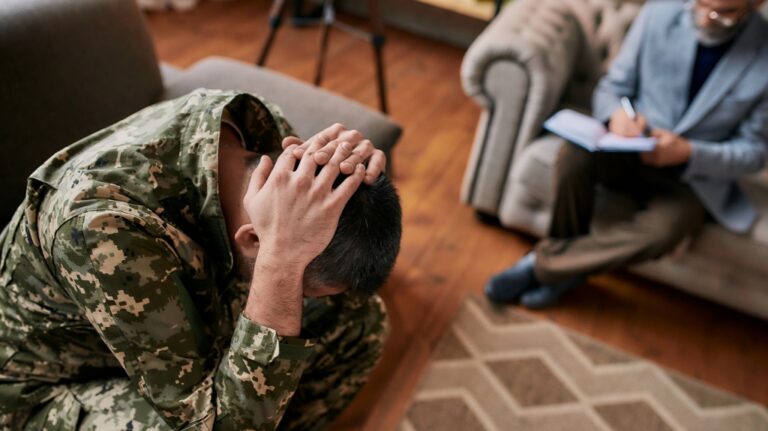
The intense and often traumatic experiences of military service can leave lasting scars on a veteran’s mental well-being. Beyond the physical dangers, the constant stress, moral dilemmas, and witnessing violence all contribute to a higher risk of developing mental health challenges.
These challenges can range from difficulty adjusting to civilian life to debilitating symptoms. It’s important to recognize that these are not signs of weakness, but the aftereffects of serving our country.
Many veterans may not realize that they do not need to have been directly involved in combat to qualify for mental health benefits. High-stress environments, prolonged separation from family, military sexual trauma, moral injury from difficult operational decisions, or even the pressure of constant readiness, can all serve as “in-service stressors.”
Our attorneys work with compassion and discretion to help veterans articulate their experiences in a way that meets Veterans Affairs (VA) standards, without forcing them to relive traumatic events unnecessarily.
Post Traumatic Stress Disorder (PTSD)
Post-traumatic stress disorder (PTSD) is a mental health condition that is triggered by a terrifying event — either experiencing it or witnessing it. Veterans are especially prone to PTSD due to the nature of military service, which can involve exposure to violence, injury, and death. Symptoms of PTSD can include flashbacks, nightmares, severe anxiety, and uncontrollable thoughts about the traumatic event.
If you’re a veteran struggling with PTSD, you’re not alone. The VA offers a variety of resources and treatments to help you cope with the symptoms and live a fulfilling life.
Under the VA’s rating system, Post-Traumatic Stress Disorder (PTSD) can be rated between 0% and 100%, depending on the severity of its impact on a veteran’s ability to work, maintain relationships, and perform daily tasks. Veterans with occasional anxiety may receive a rating of 10%, while those with near-total social and occupational impairment may receive a maximum rating of 100%.
Accurate portrayal of a veteran’s functional limitations is crucial, and that’s where legal expertise can make all the difference. Our team ensures that medical records, therapy notes, and personal statements accurately reflect the severity of a veteran’s condition.
Depression
Depression is a major challenge for veterans, triggered by combat stress, injuries, and readjustment difficulties. It manifests as persistent sadness, hopelessness, and loss of interest, impacting daily life. Symptoms include fatigue, sleep/appetite changes, concentration problems, and social withdrawal. Recognizing these signs and seeking help from the VA’s targeted mental health services is crucial, as depression is treatable.
Depression can often be a secondary condition related to another service-related issue, such as a physical injury, chronic pain, or post-traumatic stress disorder (PTSD). In these cases, you may qualify for “secondary service connection,” which means your depression is compensable because it was caused or made worse by a primary disability related to military service. Our attorneys regularly pursue these complex claims to maximize your benefits and ensure that all related conditions are taken into account.
Anxiety Disorders
Military service can leave veterans prone to anxiety disorders, ranging from generalized worry to debilitating panic attacks. The VA offers effective treatments like CBT to help veterans manage their anxiety and regain control. These treatments can empower veterans to re-engage in daily life and activities they may have avoided due to anxiety.
Generalized Anxiety Disorder (GAD), Panic Disorder, and Social Anxiety Disorder are all considered compensable conditions when linked to military service. Even performance anxiety related to military duties, such as public speaking in leadership roles or fear of failure in high-pressure situations, can qualify for compensation if properly documented. We collaborate with mental health professionals to ensure that your diagnosis clearly reflects your military experience as the underlying cause of your condition.
Sleep Disorders
Disrupted sleep plagues veterans. Insomnia, nightmares, and shift work all contribute. Even breathing can be interrupted by OSA, leading to fatigue and health risks. The VA offers treatments to help veterans reclaim restful sleep.cognitive behavioral therapy for insomnia (CBT-I), and CPAP machines for OSA, to help veterans get the restful sleep they deserve.
Sleep disorders are often overlooked in VA claims, but they can significantly impact your disability rating, especially if they are linked to PTSD or traumatic brain injury (TBI). For instance, if nightmares related to PTSD cause chronic insomnia, you may receive separate ratings for both conditions. Our team ensures that all relevant symptoms are included in your claim in order to maximize your overall compensation.
Obsessive-Compulsive Disorder (OCD)
Military service can worsen OCD symptoms in veterans, especially those focused on order and routine. Intrusive thoughts, often combat-related, can trigger compulsions like repetitive cleaning or counting to manage anxiety. The VA offers effective treatments like ERP therapy to help veterans regain control.
When Can You Seek Compensation For Your Mental Health Condition?
You can seek compensation for your mental health condition from the VA if it meets several criteria:
- Service Connection: Your mental health condition must be connected to your military service. This means there must be a clear link between your military experiences and the onset or worsening of your symptoms.
- Current Diagnosis: You must have a current diagnosis from a qualified medical professional, such as a psychiatrist or psychologist.
- Disability Rating: The severity of your symptoms must meet the VA’s disability rating criteria for the specific mental health condition. The VA assigns a percentage rating based on how much your condition impairs your everyday life.
Remember, you served your country, and now it’s time for your country to serve you. Don’t hesitate to seek the help you deserve.
How Can An Attorney Help Me File For Compensation?
An attorney can be a valuable asset in filing for VA disability compensation for your mental health condition, especially when navigating the complexities of the process. Here’s how they can help:
- Assess eligibility and navigate the complex application process.
- Gather evidence to build a strong case for your mental health condition.
- Ensure all forms and deadlines are met.
- Guide you through the appeals process if needed.
- Offer expertise in VA regulations to maximize success.
Learn More About Service-Related PTSD
Contact The Veterans Benefits Law Group Today
You served your country bravely. Now, it’s time for your country to serve you. If you’re a veteran struggling with a mental health condition, don’t hesitate to seek the help you deserve. The VA offers valuable benefits, but navigating the application process can be challenging. Contact the Veterans Benefits Law Group today for a free consultation. Our experienced attorneys can guide you through every step and fight for the compensation you’ve earned. Call us now at (601) 414-3707 or visit our website to start your journey towards healing and well-being.
Common Mental Health Conditions FAQs
Yes. The VA provides disability compensation for service-connected mental health conditions, including PTSD, major depressive disorder, generalized anxiety, OCD, and certain sleep disorders—provided they are linked to your military service.
You must show: (1) a current diagnosis from a licensed mental health professional, (2) an in-service event or stressor (such as combat, MST, or prolonged high-stress duty), and (3) a medical opinion connecting your condition to that event.
No. While PTSD is common, the VA also compensates veterans for depression, anxiety disorders, OCD, adjustment disorders, and some sleep conditions like chronic insomnia or sleep apnea when tied to service or a service-connected mental health issue.
The VA uses a rating scale from 0% to 100% based on how severely your condition affects your work, social life, and daily functioning. For example, occasional anxiety might be rated at 10–30%, while severe PTSD with an inability to work could qualify for a 70% or 100% rating.
That’s common—and still compensable. Many mental health conditions, like PTSD or depression, can emerge long after discharge. As long as a medical professional links your diagnosis to your military service, you may qualify for benefits.
Claims are often denied due to insufficient medical records, vague stressor descriptions, or lack of a clear nexus (connection) between service and the diagnosis. Even valid claims can be rejected over small paperwork errors.
Related Articles
-
Can You Get a 100% VA Rating for PTSD or TBI Alone?
Conditions like post-traumatic stress disorder and traumatic brain injuries can cause severe, debilitating symptoms in veterans that make it challenging to form and maintain relationships or hold a job. But can veterans severely disabled by service-connected PTSD or TBIs qualify for a 100 percent disability rating from the VA based solely on their PTSD or…
-
How Family Members Can Support Veterans With PTSD
When a veteran returns home after serving, they may carry invisible wounds from their time in service. These invisible wounds can affect the entire family, as they can reshape daily life for spouses, children, parents, and siblings. Post-traumatic stress disorder (PTSD) is not just something that affects the person who has served – it can…
-
Navigating PTSD Claims: Tips for Success
The traumatic nature of military service, especially when a servicemember sees combat or experiences other traumatic or terrifying events like sexual assault, can leave veterans with the disabling effects of post-traumatic stress disorder. PTSD caused by military service may entitle a veteran to VA disability benefits. However, veterans should familiarize themselves with best practices for…