
Veterans Benefits Law Group – Trusted Advocates for Veterans with Service-Related Hearing Loss
Hearing Problems Attorney Ridgeland MS
Getting VA Disability for Your Service-Related Hearing Loss
It is believed that millions of veterans suffer from some form of hearing problem. The most common types of hearing problems are hearing loss and tinnitus. Individuals serving in the armed services are often subjected to loud explosions, gunfire, and aircraft that can directly impact their hearing.
If you suffer from hearing problems after serving in the United States military, you may be able to file a claim for benefits through the U.S. Department of Veterans Affairs. At the Veterans Benefits Law Group, we represent veterans in disability claims. Our lawyers will help you get the compensation you deserve for your service-related injury or illness. Contact our office today at (601) 414-3707 to schedule a free consultation.
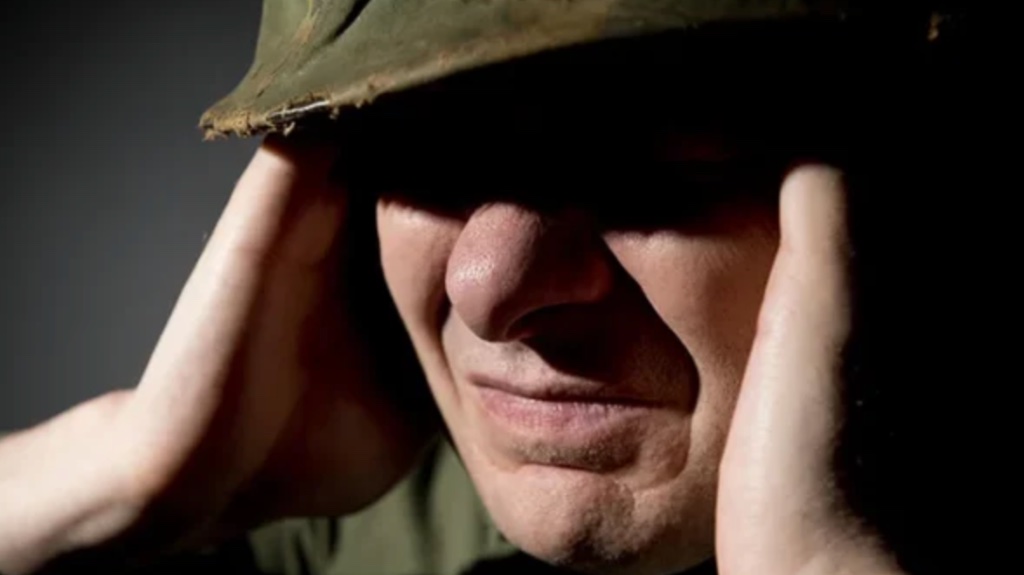
What Causes Service-Related Hearing Problems?
The men and women that serve in our armed services should be protected from known hazards. For decades the government has known that veterans are substantially more likely to suffer from hearing problems including hearing loss and tinnitus.
Service-related hearing problems are often related to exposure to:
- Loud noises
- Gunfire
- Explosions
- Aircraft
- Machinery
- Bombs
If you have suffered hearing loss or tinnitus after serving in the military, you might be able to file a VA disability claim. A VA disability claim can help ensure that your medical bills, lost wages, and other damages are covered.
Even brief exposure to loud noises above 140 decibels, which is common during weapons training and combat, can cause immediate and irreversible damage to delicate hair cells in the inner ear. Hearing protection has improved over time, but many veterans from previous eras, including those who served in Vietnam and the Gulf War, were not provided with adequate ear protection or any at all.
The VA does not require proof of a single traumatic event, rather, cumulative noise exposure over months or years of service can qualify as an “in-service” event. Our attorneys help document this exposure through duty assignments, Military Occupational Specialties (MOS) codes, unit records, and statements from fellow service members, building a strong case for service-connected disabilities.
Who Is Eligible for Disability Related to Hearing Loss?
Most service members who have suffered hearing problems as a result of their service are likely eligible for disability. However, you must have received a proper diagnosis in order to qualify.
In order to qualify for VA disability related to hearing loss you must:
- Have a diagnosis of the condition;
- Show the loss was related to your service in the military; and
- Have a medical opinion linking your service to the hearing loss.
The VA will use this information to give you a disability rating. The disability rating will provide you with the compensation you will receive each month tax-free. To determine how much you might be eligible for it is strongly recommended that you speak with an attorney.
One common misconception is that people with mild hearing loss are not eligible for benefits. However, even a 10% hearing loss can result in hundreds of dollars of monthly tax-free compensation. In addition, veterans with this hearing loss may be eligible for free hearing aids, batteries, and audiological services for life through the VA. Tinnitus, if service-connected, can qualify for a minimum 10% rating regardless of the hearing test results. Our team ensures that your claim covers all eligible conditions, including secondary issues such as balance disorders (vertigo) and communication-related anxiety. These issues can increase your overall hearing rating.
Is Noise-Induced Hearing Loss Permanent?
According to the VA, noise-induced hearing loss may be permanent. Thankfully, there are a number of treatments and rehabilitative technologies that can help improve a person’s hearing. Hearing loss can be devastating. It can affect a person’s confidence and their ability to work. Eventually their speech may be impacted. When your hearing loss is related to your military service you deserve compensation.
While the damage to your hearing cannot be completely reversed, modern hearing aids, cochlear implants, and other assistive devices can significantly improve your quality of life. The Veterans Affairs (VA) provides these devices free of charge, but only if your hearing condition is officially recognized as being related to your military service. If you do not have a granted claim, you may need to pay thousands of dollars out of pocket for these devices. Additionally, if your hearing impairment prevents you from holding a job, you may be eligible for Total Disability benefits based on Individual Unemployability, which provide benefits at 100%. Our attorneys will evaluate your entire situation to help you pursue all available benefits.
What Is an In-Service Event?
To receive disability through the U.S. Department of Veterans Affairs you must be able to show that your hearing loss was the result of an in-service event. What this means is that you will have to show what caused your hearing loss. Common things that cause service-related hearing loss include combat missions, gunfire, mechanical work, and aircrafts.
Even if your service records do not explicitly mention hearing damage, your military occupational specialty (MOS) can serve as strong evidence. For example, the VA recognizes that certain roles, such as infantryman, artillery crew member, aircraft mechanic, or armored vehicle operator, involve high noise exposure. This “concession for noise exposure” eliminates the need to prove specific incidents, streamlining your path to benefits. Our legal team will cross-reference your DD-214 with the VA’s noise exposure guidelines from day one, strengthening your claim.
Getting Tested for Hearing Loss
To prove the extent of your hearing loss and to be able to receive a VA disability rating you will need to get tested. Hearing tests can help determine the level of loss or the underlying cause of the problem. There are multiple types of tests that a medical professional can use to diagnose hearing loss.
Services Provided by the VA for Veterans Suffering from Hearing Loss
Because service-related hearing loss is a widespread problem affecting millions of former service members, the VA issued a mandate about the services it provides. Foremost, the VA will cover the screening, assessment, evaluation, and treatment of hearing loss or other hearing problems.
Veterans will be eligible for the fitting and programming of hearing aids. They are also given a range of treatment and management options including screening and prevention services. It is important to consult with an attorney as early as possible to ensure that you do not settle for less than your case is worth.
VA Disability Ratings for Hearing Loss and Tinnitus
Contact Our Offices to Learn More
Are you a veteran that has suffered hearing loss related to your service in the military? You may be entitled to compensation through a VA disability claim. You can and should consult with an attorney to determine all of your legal options. Hearing loss is widespread amongst veterans, but not many people are reaching out for help. You should not have to suffer any longer. Get the help you need now from an experienced lawyer.
If you have hearing loss related to your service, contact our office at (601) 414-3707 to schedule a free case evaluation. All consultations are provided without obligation to retain our services. Matters are handled on a contingency fee basis, meaning there are no fees unless we win. When you suffer harm as a result of your military service, you deserve compensation. Let us help you file a successful benefits claim. Call our office now to get started.
Common Hearing Problems FAQs
Yes. The VA recognizes noise-induced hearing loss and tinnitus (ringing in the ears) as common service-connected disabilities. If your condition resulted from exposure to loud noises like gunfire, explosions, or aircraft during service, you may qualify for tax-free monthly compensation.
Military duties often involve prolonged or sudden exposure to hazardous noise—such as weapons fire, jet engines, bombs, heavy machinery, and combat operations. This noise can permanently damage hearing, even if symptoms appear years later.
You must show: (1) a current diagnosis from an audiologist (via a VA-accepted hearing test), (2) an in-service event involving loud noise exposure, and (3) a medical opinion linking your hearing loss or tinnitus to that event. Service records and buddy statements can help support your claim.
Often, yes. Noise-induced hearing loss is usually irreversible, though hearing aids and assistive devices can help. The VA provides free hearing evaluations, hearing aids, and ongoing audiology care to eligible veterans.
Hearing loss is rated based on results from a controlled speech discrimination test and pure tone audiometry. Ratings typically range from 0% to 100%, though most fall between 0% and 30%. Tinnitus is generally rated at 10%—even if it’s in one or both ears.
Common reasons include incomplete hearing tests (not VA-compliant), lack of documented noise exposure in service records, or failure to file a formal claim. Even minor errors can lead to delays or denials—making legal guidance valuable.
Related Articles
-
The Most Common Questions About the PACT Act – Answered
If your condition is on the VA’s presumptive list and you served in a qualifying location, you do not have to prove that your exposure caused your illness. The VA assumes the connection. This single change has turned thousands of previously denied claims into approvals, but many veterans still hesitate to file because they are…
-
Five Medical Conditions Often Missed During VA Disability Evaluations
A compensation and pension examination will be conducted on a case-by-case basis. The examiner will ask questions about claims that are before them, not those hidden behind them. This focus is why veterans are rated for back injuries or PTSD, but a second equally compensable condition is never recorded. Migraines Rooted in an Old Head…
-
The Hidden Symptoms of Traumatic Brain Injuries Veterans Often Ignore
Nearly one in four veterans who served after 9/11 show signs of a possible traumatic brain injury. Most of them were never diagnosed when it happened, and they did not have a hospital stay or loss of consciousness. They just had a blast, hard landing, jolt against the vehicle door – and then life continued,…