

The Hidden Symptoms of Traumatic Brain Injuries Veterans Often Ignore
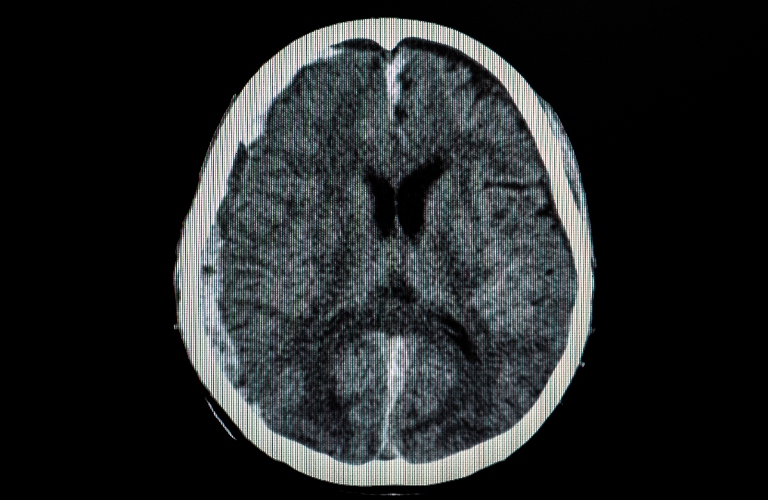
Nearly one in four veterans who served after 9/11 show signs of a possible traumatic brain injury. Most of them were never diagnosed when it happened, and they did not have a hospital stay or loss of consciousness. They just had a blast, hard landing, jolt against the vehicle door – and then life continued, because nothing seemed broken.
That’s the problem with TBI. It rarely announces itself. The symptoms show up weeks or years later, under a different name.
Why the Injury Gets Missed the First Time
Combat culture doesn’t allow much room for stepping back. Service members are trained to push through and not report sick calls for headaches. Missing a mission or training session feels worse than the actual symptoms, so most veterans try to downplay what happened and continue moving forward.
By the time a veteran connects the dots, the incident is years old and undocumented. That’s why the symptoms matter.
Cognitive Symptoms That Get Blamed on Something Else
Memory lapses, trouble concentrating, losing the thread of a conversation halfway through – these are all things that get chalked up to stress, age, or PTSD. Sometimes they are seen as normal for veterans, and sometimes by clinicians sitting across from them in the clinic.
A few patterns worth noting:
- Needing significantly more time to make decisions that were once automatic.
- Losing words mid-sentence and having to cover it up.
- Rereading the same paragraph several times before it sinks in.
- Forgetting appointments or steps in tasks that have been done hundreds of times, not occasionally but often enough to start writing everything down.
None of these seem like signs of brain damage. Instead, they feel like signs of being tired, distracted, or aging. That’s why they are often overlooked.
Physical Symptoms Nobody Connects to the Brain
Post-traumatic headaches are one of the most common consequences of TBI, and they can be rated according to their severity. Similarly, sleep disruption is a common symptom, as TBI can interfere with the brainstem control over breathing.
Less obvious: TBI can damage the pituitary gland. This damage can cause fatigue, temperature regulation problems and low libido, which look like nothing like a head injury but everything like a hormone problem because that’s exactly what it has become.
Sensitivity to light or sound, persistent dizziness, and balance that isn’t what it used to be – any one of these alone seems minor, but together they form a pattern.
Personality Changes Someone Else Usually Notices First
This is the category that veterans are least likely to catch on their own. Irritability that wasn’t there before. A shorter fuse. Withdrawing from people you used to enjoy being around. A spouse or parent usually flags it first, often describing someone who “isn’t quite themselves” rather than naming a specific symptom.
How the VA Actually Evaluates These Symptoms
TBI is rated under Diagnostic Code 8045 and it doesn’t work like most disability codes. The VA scores ten separate facets, including memory, judgement, motor activity and social interaction. The highest score in any one facet sets the overall rating.
Conditions that grow out of TBI, such as migraines, sleep apnea or depression, can often be rated separately as secondary conditions, rather than being included in the TBI rating. Missing this distinction is one of the most common reasons why a claim is returned with a lower rating than it should be.
If This Sounds Familiar, Don’t Wait to Document It
At Veterans Benefits Law Group, PLLC, we have seen how often real brain injuries are filed away as stress, fatigue, or “just getting older” by veterans, families, and sometimes by the VA itself. You have served. You deal with the consequences in a quiet way, the way you were trained. That doesn’t mean that you should continue to deal with them alone.
If any of this sounds like something you or someone you know has been experiencing, start writing down what happened: when the headache happened, how the memory lapse occurred, what a family member noticed. Then, talk to us about it. Schedule a free consultation and let us help you create a record of your claim.
Share This Story
Interested in this topic? Your friends might be too! Consider sharing this story to your social media channels and look like a smart, sophisticated resource of information.